
Understanding Sports Broadcasting
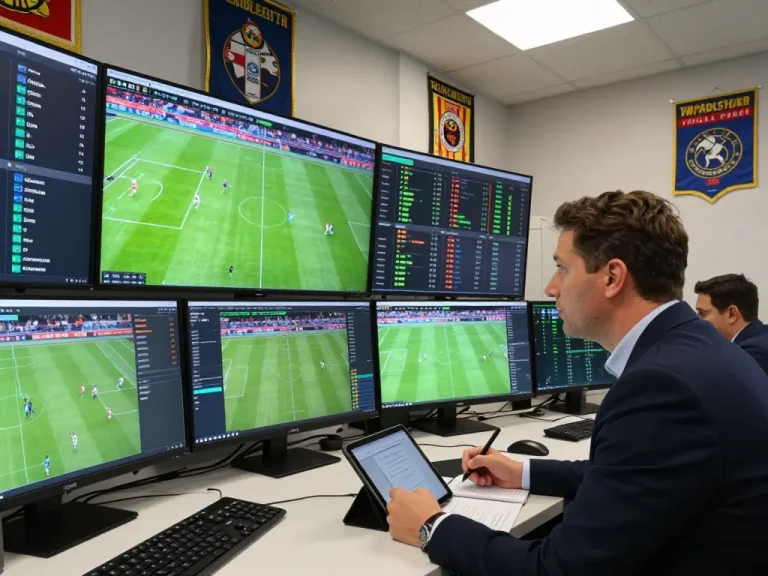
Sports broadcasting has evolved significantly over the decades, emerging as a fundamental aspect of the sporting experience. It refers to the distribution of sports events through various media platforms, allowing fans to engage with their favorite teams and athletes from virtually anywhere. The intricate relationship between technology, media, and the audience has paved the way for exceptional advancements in this field, transforming the landscape of live sports viewing. Understanding Sports Broadcasting involves exploring its history, key components, and the increasing significance of online streaming in today’s digital era.
The Evolution of Sports Broadcasting
Sports broadcasting has come a long way since its inception in the early 20th century. Initially, sports events were conveyed via radio broadcasts, allowing fans to follow games through telephonic commentary. With the advent of television in the mid-20th century, a visual element was introduced, which revolutionized how fans consumed sports. The iconic imagery of a touchdown or a home run became synonymous with powerful storytelling and heightened emotional engagement.
As the Internet emerged, the broadcasting paradigm shifted once again, leading to the rise of online streaming services. These platforms provided unprecedented access to sports content, catering to a global audience and giving rise to on-demand viewing experiences. Today, sports broadcasting integrates various technologies such as HD broadcasts, 4K streaming, and dedicated sports apps, enhancing viewer engagement and offering tailored content that aligns with audiences’ preferences.
Key Components of Sports Broadcasting
Several key components define the structure and functionality of sports broadcasting:
- Content Creation: This involves producing high-quality programming, including live coverage, analysis, highlights, and commentary that resonates with viewers.
- Distribution Channels: Traditional TV broadcasters, cable networks, and online streaming platforms all play crucial roles in bringing sports content to audiences worldwide.
- Audience Engagement: Engaging viewers through social media, polls, and interactive features enhances the overall viewing experience and fosters a sense of community among fans.
- Advertising and Sponsorship: Strategic partnerships and advertising campaigns are vital for generating revenues in the competitive landscape of sports broadcasting.
Importance of Online Streaming
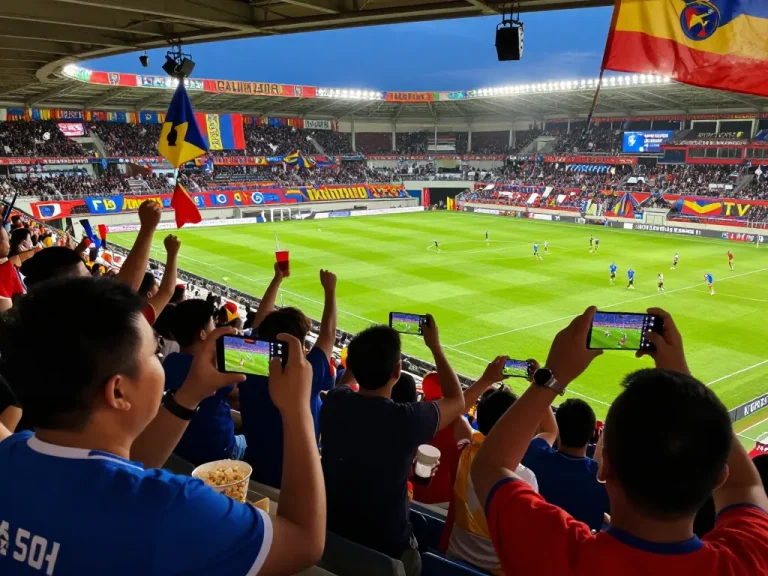
Online streaming has fundamentally changed how audiences connect with sports. Unlike traditional broadcasting, streaming offers flexibility and convenience, allowing viewers to watch games live or on-demand across a variety of devices. With the widespread use of smartphones and smart TVs, sports fans no longer need to be tethered to their living rooms. The rise of OTT (over-the-top) platforms has broadened access and provided niche sports with a platform to reach dedicated audiences. Moreover, streaming allows for innovative viewing options, such as multi-camera angles, expert commentary, and real-time statistics, making the viewing experience richer than ever before.
Current Trends in Sports Broadcasting
The landscape of sports broadcasting is continually evolving. Professionals in the field must stay abreast of current trends to remain relevant and competitive.
The Rise of Interactive Viewing
As technology advances, so does the expectation of the audience for more interactive viewing experiences. The integration of live chats, social media updates, and viewer polls creates an engaging environment where fans can engage with each other and the content more actively. Innovations such as second screens, where viewers use mobile devices to access additional information while watching a game, have become popular, ensuring that the content is not just passive consumption but a two-way interaction.
Integration of Virtual Reality
Virtual Reality (VR) technology is making its foray into the sports broadcasting arena, offering immersive experiences that engage fans as never before. This innovative approach allows viewers to feel as if they are part of the action, bringing them closer to the events they love. With VR headsets, fans can enjoy front-row access to games from the comfort of their homes, enhancing viewing enjoyment and emotional connections to the game.
Emphasis on Social Media Engagement
Social media has become a pivotal aspect of sports broadcasting, providing a platform for real-time engagement and content sharing. Broadcasters utilize platforms like Twitter, Instagram, and TikTok to disseminate highlights, promote live events, and create a buzz before and after games. Fans who engage through social media not only consume content but also contribute to it, making them active participants in the sports culture.
Challenges Facing Sports Broadcasting
Despite its growth, the sports broadcasting industry faces numerous challenges that require strategic solutions.
Maintaining Audience Engagement
As viewer habits evolve, maintaining audience engagement has become increasingly complex. With countless entertainment options available, retaining viewers’ attention during broadcasts is essential. Broadcasters must innovate and provide diverse and engaging content while exploring ways to deepen the emotional connection between the audience and the sporting events they cover.
Decoding Licensing and Rights Issues
Licensing and rights issues pose significant challenges for sports broadcasters. With various leagues, teams, and players to manage, acquiring broadcasting rights requires detailed negotiation and considerable financial commitments. Moreover, the ongoing battle between traditional broadcasters and digital streaming platforms for rights poses potential obstacles for future contracts and partnerships.
Adapting to Technological Advancements
The rapid pace of technological advancement presents both opportunities and challenges for sports broadcasting. Staying ahead of the curve requires continual investment in new technologies, training for staff, and adaptation to new platforms and tools. Broadcasters need to embrace change while managing the legacy infrastructure of traditional media.
Best Practices for Broadcast Professionals
To thrive in the dynamic world of sports broadcasting, professionals can adhere to specific best practices that enhance quality and effectiveness.
Crafting Compelling Narratives
Storytelling is at the heart of compelling sports broadcasting. Professionals should focus on crafting narratives that resonate with audiences, highlighting not only the events but also the personal journeys of athletes, teams, and the overarching themes of competition and perseverance. Creating emotional connections through storytelling can elevate the viewing experience and deepen audience loyalty.
Utilizing Data for Performance Analysis
Data analytics plays a crucial role in modern sports broadcasting. By analyzing game data, team performance metrics, and viewer engagement statistics, broadcasters can make informed decisions to optimize broadcasts. Furthermore, data can enhance pre-game analyses and in-game commentary, providing viewers with deeper insights into the performance of teams and athletes.
Encouraging Viewer Interaction and Feedback
Encouraging viewer interaction strengthens the bond between broadcasters and the audience. Utilizing tools such as live polls, social media engagement, and community forums fosters an interactive environment. Collecting and analyzing viewer feedback can also guide content adjustments, ensuring that broadcasters meet audience expectations and preferences.
Measuring Success in Sports Broadcasting
Understanding and measuring success is essential for growth and innovation within sports broadcasting.
Analytics and Key Performance Indicators
Establishing clear metrics for success allows sports broadcasters to assess performance accurately. Key performance indicators (KPIs) such as viewership numbers, audience retention rates, and engagement levels provide insights into effectiveness. Analyzing these metrics aids in identifying trends, shaping future content, and demonstrating the impact of strategic decisions.
Evaluating Audience Feedback
Regularly evaluating audience feedback helps broadcasters understand how well they are meeting viewer needs and expectations. Surveys, social media engagement, and viewer ratings serve as critical touchpoints for gauging satisfaction levels. This feedback loop can drive strategic adjustments to enhance the overall viewing experience.
Strategies for Continuous Improvement
Implementing a culture of continuous improvement is vital for sports broadcasters aiming for long-term success. By consistently reviewing performance, experimenting with new technologies, and adapting to audience feedback, broadcasters can stay ahead in a highly competitive market. Continuous training for staff, collaboration with industry experts, and leveraging emerging technologies will keep broadcasting relevant and engaging.
Frequently Asked Questions
What is sports broadcasting?
Sports broadcasting involves distributing live or recorded sports events through various media, allowing fans to engage with their favorite teams and players from anywhere.
How has technology impacted sports broadcasting?
Technology has introduced innovations such as online streaming, virtual reality, and advanced data analytics, transforming viewer experiences and engagement in sports broadcasting.
What are some challenges in sports broadcasting?
Challenges include maintaining audience engagement, dealing with licensing issues, and adapting to rapid technological advancements within the industry.
How can broadcasters keep viewers engaged?
By crafting compelling narratives, utilizing interactive elements, and leveraging social media, broadcasters can enhance viewer engagement and strengthen community ties.
What metrics are important for measuring success in sports broadcasting?
Key metrics include viewership numbers, audience retention rates, engagement levels, and audience feedback to assess performance effectively.
About the Author