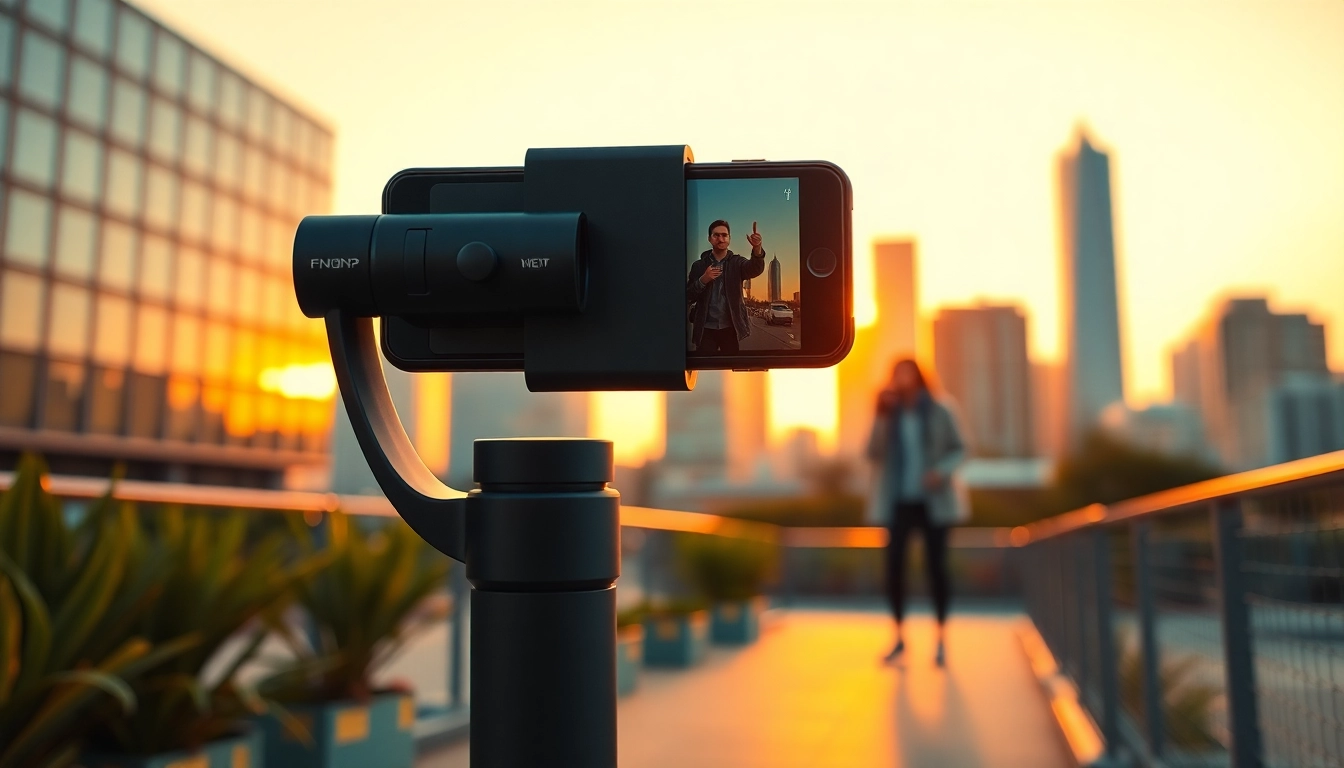
Understanding Phone Gimbals: What You Need to Know
In an era where mobile filmmaking has surged to new heights, the phone gimbal has become an essential tool for creators seeking to enhance the quality of their footage. Whether you are a seasoned vlogger, a budding filmmaker, or simply someone looking to document life on the go, understanding how gimbals work and their benefits is crucial. In this article, we will delve into the various aspects of phone gimbals, explore their functionality, and discuss the best practices to maximize their potential.
What is a Phone Gimbal?
A phone gimbal is a handheld stabilizer designed to keep your smartphone steady while capturing videos or taking photographs. Unlike traditional stabilizers that may rely on weight or counterbalancing, gimbals utilize motorized technology to actively counteract any movement or shake, providing a smooth and professional-looking result. They offer an array of features that can enhance the capabilities of a phone camera, making them popular for various filming scenarios.
Benefits of Using a Phone Gimbal for Filmmaking
The advantages of using a phone gimbal are numerous, particularly for filmmakers and vloggers. Here are some key benefits:
- Stability: Gimbals effectively reduce camera shake, allowing you to capture smooth footage even while moving.
- Professional Quality: The stabilization provided by gimbals elevates the production quality of your videos, making them more visually appealing.
- Versatile Shooting Modes: Many gimbals offer various modes like Follow Mode, Lock Mode, and Pan Mode, giving users flexibility in how they capture footage.
- Improved Composition: Gimbals allow for easy panning and tilting of your shots, providing creative freedom and better framing.
- Lightweight and Portable: Modern phone gimbals are designed to be lightweight and easy to transport, making them ideal for on-the-go shooting.
How Phone Gimbals Work: The Technology Behind Stabilization
Phone gimbals operate using a combination of sensors and motors. They typically feature three axes of stabilization: tilt, roll, and pan. Here’s a breakdown of how they function:
- Gyroscopic Sensors: These sensors detect motion and rotation in real-time, helping the gimbal adjust its motors to counteract unwanted movement.
- Brushless Motors: These motors provide the necessary torque to maintain the stability of the phone, compensating for any shakes or jolts.
- Control Algorithms: Advanced programming in gimbals processes data from sensors to adjust the motors dynamically, ensuring a smooth filming experience.
Choosing the Right Phone Gimbal for Your Needs
When in the market for a phone gimbal, it’s important to consider your specific needs and the features offered by various models. With an overwhelming number of options available, identifying a gimbal that aligns with your filming style is crucial for achieving the best results. Here are some key features to consider.
Key Features to Look for in a Phone Gimbal
As you evaluate potential gimbals, here are several critical features to take into account:
- Weight Capacity: Ensure that the gimbal can support the weight of your phone, especially if you plan on using additional accessories like lenses.
- Battery Life: A longer battery life allows for extended shooting sessions without interruptions.
- Build Quality: Look for a gimbal made from durable materials to withstand regular use, especially in outdoor settings.
- Compatibility: Not all gimbals work with every smartphone; check compatibility before purchasing.
- Smart Features: Many modern gimbals come with smart features such as tracking capabilities and built-in editing tools that can greatly enhance the filming experience.
Comparing Popular Phone Gimbal Brands and Models
In the competitive market of phone gimbals, several brands stand out due to their quality, features, and reliability. Some noteworthy brands include:
- DJI: Known for its Osmo series, DJI gimbals are highly rated for their advanced stabilization technology and user-friendly interfaces.
- Hohem: Offering budget-friendly options, Hohem gimbals provide excellent value without sacrificing performance.
- Insta360: This brand is recognized for its innovative design and features, particularly for capturing immersive 360-degree videos.
- Zhiyun: Famed for its Smooth series, Zhiyun gimbals are favored for their versatility and robust app integration.
Understanding Pricing and Value For Money in Gimbals
Phone gimbal prices can vary significantly, ranging from under $100 to several hundred dollars. While lower-priced models may be tempting, it’s important to consider the features and reliability offered. Investing in a higher-quality gimbal can enhance your filming experience and last longer with proper care. Here are some pointers to keep in mind when evaluating price versus performance:
- Do Your Research: Evaluate user reviews and expert opinions to gauge the performance of different models.
- Consider Your Usage: If you plan on using the gimbal frequently, a higher investment may be justified.
- Check Warranty and Support: Ensure the manufacturer provides good customer support and warranty, as this can benefit you in the long run.
Best Practices for Using a Phone Gimbal
To maximize the effectiveness of your phone gimbal, it’s essential to utilize it correctly. Following best practices can significantly enhance the quality of your video footage.
Setting Up Your Phone Gimbal for Optimal Performance
Setting up your gimbal correctly can make a significant difference in your filming experience. Here’s how to ensure everything is in order:
- Balance the Gimbal: Before powering it on, make sure your phone is properly balanced on the gimbal to prevent motor strain.
- Calibrate if Necessary: Some gimbals require calibration; follow the manufacturer’s instructions for optimal performance.
- Choose the Right Mode: Depending on your filming situation, select the appropriate shooting mode for the best results.
Techniques for Capturing Smooth Video Footage
Using a gimbal doesn’t mean you can ignore basic filming techniques. Here are some effective methods for capturing smooth footage:
- Walk Naturally: When moving, try to walk as naturally as possible to minimize additional shakes.
- Use Slow Movements: Rapid pans or jerky movements can lead to undesirable footage; maintain a slower pace.
- Incorporate B-Roll: Capture additional footage (B-roll) to enhance your narrative and give you more options in post-production.
Common Mistakes to Avoid with Phone Gimbals
Even experienced users can make mistakes when using a phone gimbal. Avoiding these common pitfalls can help ensure better results:
- Not Balancing Properly: An unbalanced gimbal can lead to motor overheating and erratic stabilization.
- Ignoring Battery Levels: Always check battery levels before shooting to avoid abrupt shutdowns.
- Overcomplicating Shots: Simplicity often leads to the most effective footage; avoid overly complex shots that may not translate well.
Real-World Applications of Phone Gimbals
Phone gimbals are versatile tools that can be used across various applications. Here, we explore three prime scenarios where gimbals shine.
Using Phone Gimbals for Vlogging
Vlogging has become a popular medium for sharing personal stories, travel experiences, and tips. With a phone gimbal, vloggers can create cinematic-quality footage with ease. Here’s how:
- Seamless Transitions: Utilize the gimbal for smooth transitions between different scenes, enhancing storytelling.
- Dynamic Shots: Capture dynamic shots while moving, such as walking through a market or interacting with locals.
- Engaging Content: The stability of gimbals allows vloggers to engage viewers with immersive and visually pleasing content.
Phone Gimbals in Event Coverage and Live Streaming
Events like weddings, concerts, and corporate gatherings benefit significantly from the use of gimbals. They allow for:
- Professional Quality Coverage: Capture smooth footage in crowded or dynamic environments.
- Interviews and Highlights: Easily move between different subjects and scenes without compromising quality.
- Real-Time Streaming: Live stream events with stabilization, making it more enjoyable for viewers at home.
Exploring Creative Uses: Short Films and Documentaries
Short filmmakers and documentarians can leverage phone gimbals to tell compelling visual stories. Some creative uses include:
- Artistic Angles: Experiment with different angles and perspectives that traditional filming would struggle to achieve.
- Time-Lapse Shots: Create stunning time-lapse sequences with smooth transitions between movements.
- Documentary Storytelling: Use gimbals for on-the-go interviews and candid shots that flow seamlessly with the narrative.
Future Trends in Mobile Filmmaking and Gimbals
The realm of mobile filmmaking is ever-evolving, with new technologies and trends emerging regularly. Understanding these developments can help filmmakers stay ahead of the curve.
Emerging Technologies in Phone Gimbal Design
Future phone gimbals will likely incorporate cutting-edge technology such as:
- Improved AI Integration: Enhanced artificial intelligence can provide smarter tracking features and automated modes for users.
- Foldable Designs: More compact and foldable designs will enhance portability and storage without sacrificing functionality.
- Wireless Charging: Future gimbals may utilize wireless charging technology for added convenience during shoots.
How AI is Shaping the Future of Phone Stabilization
Artificial intelligence is set to revolutionize how we think about stabilization and shooting techniques. Some potential advancements include:
- Smart Tracking: AI-driven tracking features that can automatically follow subjects more accurately.
- Real-Time Adjustments: Intelligent algorithms that adjust settings based on environmental factors, ensuring optimal performance.
- Enhanced Editing Capabilities: Gimbals could potentially integrate with editing software for real-time editing suggestions during filming.
What to Expect from Gimbals in 2025 and Beyond
As we look to 2025 and beyond, the future of phone gimbals is promising. Expect advancements that will not only enhance stabilization but also enrich the mobile filmmaking experience overall. Features such as integrated editing tools, improved battery efficiency, and advanced connectivity options will redefine what can be achieved with a simple smartphone. This evolution will empower creators to produce high-quality content more efficiently and creatively than ever before.