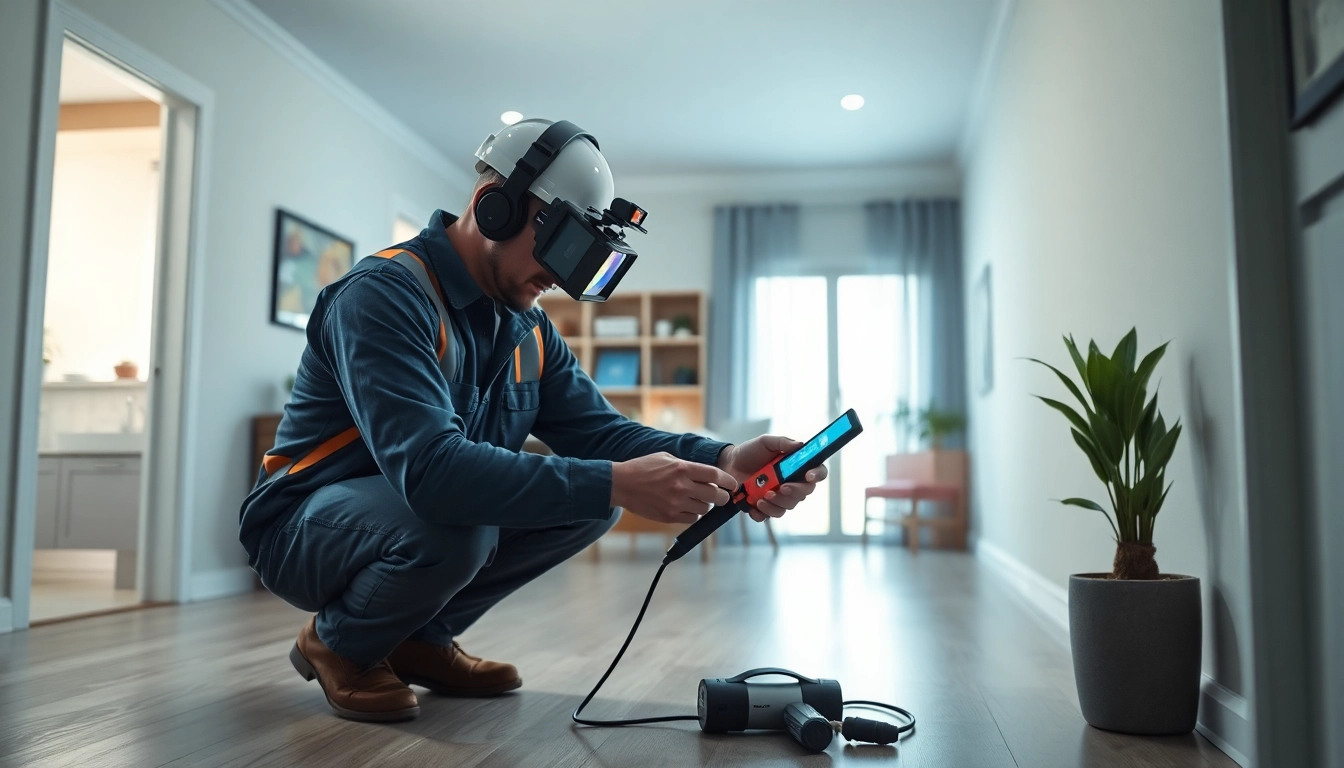
Understanding Leak Detection: What You Need to Know
Leaks in your home can be a silent menace, often going unnoticed until they escalate into major disasters. The role of Leak detection is crucial in maintaining your property’s integrity, preventing costly repairs, and ensuring the safety of your family. This article delves into the ins and outs of leak detection, the importance of addressing leaks early, the technologies used by professionals, and how you, as a homeowner, can keep your property safe.
The Importance of Early Leak Detection
Detecting leaks early can save homeowners significant sums in repair costs. A small leak can lead to structural damage, mold growth, and increased water bills, which can add up quickly. According to the Environmental Protection Agency (EPA), leaks can waste approximately 10,000 gallons of water per year in a typical household. Not only does early detection preserve your home’s value, but it also promotes a healthy living environment free from moisture-related issues.
Common Types of Leaks in Residential Properties
Homes can experience various types of leaks, which can be categorized into several main types:
- Water Supply Leaks: These include leaks in both hot and cold water supply lines that can occur from pipe corrosion or damaged fixtures.
- Drainage Leaks: Leaks in drainage systems often lead to water pooling in unexpected areas, potentially damaging your home’s foundation.
- Heating System Leaks: These leaks can occur in radiators or boiler systems and may manifest as reduced efficiency or noticeable wet spots.
- Gas Leaks: A serious safety hazard, gas leaks require immediate attention, as they pose the risk of fire or explosion.
How Leak Detection Works: An Overview of Techniques
Leak detection employs a variety of techniques to identify and diagnose leaks in a property. Professionals often utilize a combination of methods depending on the type of leak and its location. Some common techniques include:
- Visual Inspection: Technicians often start with a thorough inspection of visible pipes and appliances for signs of moisture or wear.
- Water Meter Testing: This involves checking the water meter for usage discrepancies that might indicate leaks.
- Pressure Testing: Isolating sections of pipeline to monitor pressure changes can confirm leak locations effectively.
Advanced Technologies in Leak Detection
With technological advancements, leak detection has become more efficient and less invasive. Modern leak detection technologies allow professionals to pinpoint issues with remarkable accuracy.
Utilizing Thermal Imaging for Precise Location
Thermal imaging cameras detect temperature variations caused by moisture escaping from leaks. This non-invasive method allows technicians to identify leaks behind walls and beneath floors, even without breaking any surfaces. By visualizing thermal gradients, technicians can quickly target the area of concern, significantly reducing repair time.
Acoustic Methods: Listening for Hidden Leaks
Acoustic leak detection involves using sensitive microphones to listen for the sound of leaking water or gas. This method is especially beneficial for locating leaks that are buried underground or hidden from sight. The technology can detect the frequency of the sound waves generated by water escaping from pipes, allowing technicians to determine the leak’s precise location.
Pressure Testing: Ensuring System Integrity
Pressure testing is critical for verifying the integrity of plumbing systems. By monitoring pressure changes in isolated sections of pipework, leak detection experts can confirm whether a leak exists and identify its location. This method is particularly useful in systems where traditional detection methods may not yield clear results.
Choosing a Professional Leak Detection Service
When faced with potential leaks in your home, it’s essential to choose a leak detection service that is reliable and experienced. Here are some important considerations:
Evaluating Credentials and Certifications of Technicians
Before hiring a leak detection service, check the credentials and certifications of their technicians. Ensuring that they have the necessary training and licenses will guarantee more reliable service and peace of mind for you as a homeowner.
Understanding Service Guarantees: What to Look For
Many reputable leak detection services offer guarantees on their work. Understanding these guarantees will help you make an informed decision and ensure you are not left with additional costs should the problem recur shortly after detection.
Questions to Ask Before Hiring a Leak Detection Expert
Always engage with potential leak detection professionals by asking pertinent questions such as:
- What technologies do you use for leak detection?
- Do you provide a written report after the inspection?
- How do you handle repairs if a leak is found?
Practical Steps for Homeowners to Prevent Leaks
While professional leak detection services are critical, there are proactive steps homeowners can take to prevent leaks:
Regular Maintenance: Key to Avoiding Water Damage
Regular maintenance and inspections of plumbing systems can help identify issues before they become significant problems. Check hoses, joints, and connections regularly to ensure everything is intact.
DIY Leak Detection: Tips for Homeowners
Homeowners can perform simple checks to identify leaks or areas at risk. Common methods include:
- Monitoring water bills for unusual spikes
- Checking for damp spots on walls or ceilings
- Listening for running water sounds when no fixtures are in use
How Insurance Affects Leak Detection Costs
Many homeowners are unsure whether their insurance covers leak detection and repair services. Generally, most insurance policies cover the costs associated with finding and fixing leaks, provided that the homeowner has taken appropriate steps to prevent further damage.
Future Trends in Leak Detection for 2025 and Beyond
As technology advances, the future of leak detection looks promising, with emerging trends that may further enhance the efficiency and accuracy of leak identification.
Emerging Technologies in Leak Detection
Future developments may include more refined technologies such as AI-driven leak detection systems that can predict potential failures based on data analytics and historical performance of plumbing systems.
Environmental Considerations and Sustainability in Practice
In an age where environmental impact is a growing concern, sustainable practices in leak detection are becoming essential. Services that focus on reducing water waste and minimizing the carbon footprint during repairs are likely to gain popularity.
Predictions for the Leak Detection Industry
As awareness of water conservation grows, the demand for professional leak detection services is expected to rise. Innovations in technology coupled with heightened consumer knowledge will drive the evolution of this industry, positioning expert services as essential components of home maintenance.