Overview of the Mount Everest Base Camp Trek
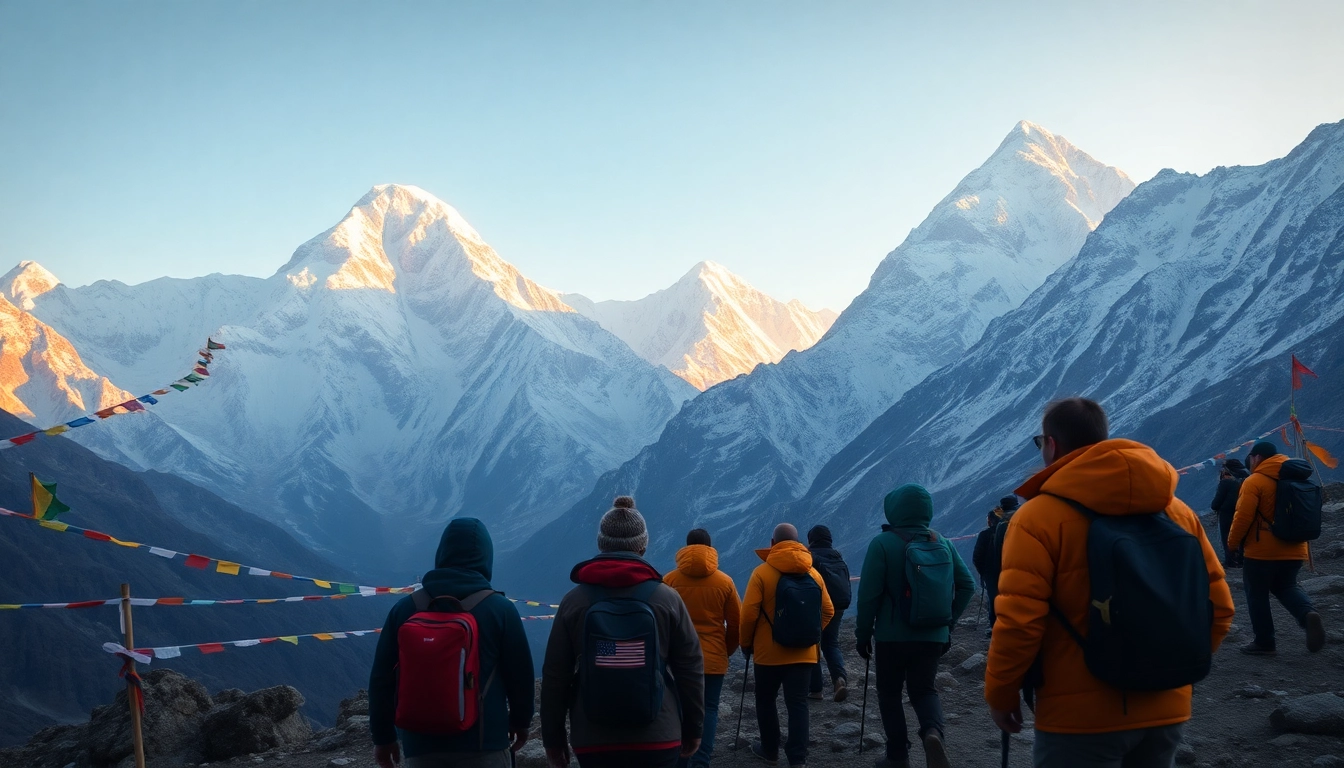
The Mount Everest Base Camp Trek, one of the most prestigious trekking adventures globally, attracts thousands of adventurers every year. Traversing through the majestic Khumbu region of Nepal, this trek not only allows you to stand at the foot of the world’s highest peak, Mount Everest, but also offers a deep dive into the rich culture of the Sherpa people. This journey, typically spanning 14 days, is filled with breathtaking vistas, unique wildlife, and unparalleled camaraderie among trekkers. When exploring options, mount Everest base camp trek provides comprehensive insights into this profoundly rewarding experience.
Understanding the Trek’s Significance
The trek to Everest Base Camp is more than just a physical challenge; it’s a journey of personal growth, resilience, and connection with nature. Each year, trekkers from around the globe come together to relish the camaraderie fostered through shared experiences amidst the stunning landscapes of the Himalayas. This trek symbolizes the pursuit of dreams and the indomitable spirit of adventure.
The Trekking Route and Key Destinations
The standard route to Everest Base Camp takes you from the bustling streets of Kathmandu to Lukla, followed by a series of scenic stops including Phakding, Namche Bazaar, Dingboche, and Gorak Shep before finally reaching Base Camp. Each destination presents its unique charm, with Namche Bazaar serving as the acclimatization hub and a vibrant showcase of Sherpa culture.
Experience the Local Sherpa Culture
Interacting with the local Sherpa communities provides invaluable cultural insights. Visitors can explore historic monasteries, engage in conversations about the traditions and lifestyles of the Sherpa people, and savor local dishes, enriching the overall trekking experience.
Preparing for the Trek
Proper preparation is crucial for a successful Everest Base Camp trek. Understanding what gear to bring, ensuring physical readiness, and acclimatizing to altitude are all essential components for a safe and fulfilling journey.
Essential Gear and Packing List
- Sturdy trekking boots with good ankle support.
- Waterproof jacket and pants to withstand potential rain and snow.
- Warm layers including thermal innerwear, fleece, and down jackets.
- Sunglasses with UV protection to shield from intense sunlight and glare.
- Durable trekking poles to assist with balance and reduce strain on the knees.
Physical Training for Successful Trekking
Physical fitness greatly influences your trekking experience. Engage in cardiovascular exercises—such as running, cycling, or hiking—at least four to five times a week for two months prior to the trek. Incorporating strength training will also enhance your overall endurance.
Acclimatization Techniques to Avoid Altitude Sickness
Acclimatization is vital to help your body adapt to high altitudes. Take your time on the trek, stay hydrated, and utilize designated acclimatization days to ensure that your body adjusts gradually to the thinning air. Listening to your body and recognizing symptoms of altitude sickness can make a significant difference.
Itinerary Breakdown for 2025 Trek
The following itinerary outlines a day-by-day plan for the Everest Base Camp trek, ensuring that each phase is manageable while allowing plenty of time for acclimatization.
Day-by-Day Trek Overview
- Day 1: Arrival in Kathmandu – briefings and gear checks.
- Day 2: Fly to Lukla; trek to Phakding.
- Day 3: Trek to Namche Bazaar.
- Day 4: Acclimatization day in Namche—visit Everest View Hotel.
- Day 5: Trek to Tengboche.
- Day 6: Trek to Dingboche.
- Day 7: Acclimatization hike to Nangkartsang Peak.
- Day 8: Trek to Lobuche.
- Day 9: Trek to Everest Base Camp; return to Gorak Shep.
- Day 10: Hike to Kala Patthar; descend to Pheriche.
- Day 11: Trek back to Namche Bazaar.
- Day 12: Trek to Lukla.
- Day 13: Return flight to Kathmandu.
- Day 14: Departure.
Highlighting Acclimatization Days
Illustrating the importance of acclimatization days, particularly at Namche Bazaar and Dingboche, ensures trekkers are better prepared for the challenges of higher altitudes, thus minimizing health risks associated with altitude sickness.
Exploring Optional Side Trips
Aside from the main trek, consider taking side trips to locations such as Gokyo Lakes or the stunning viewpoint at Kalapatthar, which provides additional opportunities for breathtaking vistas and enriching encounters with local cultures.
Costs and Inclusions
Understanding the financial aspect of the trek is essential for proper budgeting and planning. The overall costs can vary based on the season, group size, and level of service expected.
Understanding Trek Costs for 2025
The average cost for the Everest Base Camp trek in 2025 typically ranges between $1,500 to $2,000 per person, which includes accommodation, meals, permits, and guide services. Factors affecting costs include the duration of the trek, accommodation preferences, and whether additional services like helicopter transport are chosen.
What’s Included in Your Trek Package?
- Accommodation in teahouses.
- All meals during the trek.
- Experienced trekking guides and porters.
- All necessary permits.
- Transportation to and from Lukla.
Additional Expenses and Budgeting Tips
In addition to the primary costs, it is wise to set aside about $15-$30 per day for extra snacks, beverages, or optional activities. Personal expenditures, such as tips and souvenirs, can also contribute to your overall budget, so planning accordingly is essential.
Trekking Safely and Responsibly
Having an unforgettable trekking experience goes hand in hand with prioritizing safety and maintaining an environmentally responsible approach.
Health and Safety Precautions While Trekking
Prioritize health and safety by ensuring you have adequate travel insurance, a first aid kit, and necessary vaccinations. Regularly monitor your physical condition and be aware of altitude sickness symptoms, adjusting your pace accordingly.
Environmental Responsibility During the Trek
Trekking responsibly includes minimizing waste, respecting local cultures, and fostering sustainability. Always follow the principle of “Leave No Trace” to preserve the pristine environment.
Future Trends in Trekking and Tourism in Nepal
As trekking in Nepal continues to grow in popularity, trends such as luxury trekking packages, eco-friendly tour options, and community-based tourism are becoming more prevalent. These shifts are paving the way for more sustainable and responsible tourism practices within the stunning backdrop of the Himalayas.
About the Author