Understanding the Impact of Spa Ads on Client Acquisition
In an increasingly competitive wellness industry, effective spa advertising is crucial for attracting new clients. Spa ads not only promote services but also shape the public’s perception of what a spa experience entails. As we transition into 2025, understanding the nuances of advertising in this sector is essential for maintaining a robust clientele. When exploring options, Spa Ads can provide comprehensive insights into strategies that resonate with potential clients.
The Role of Visual Appeal in Spa Advertising
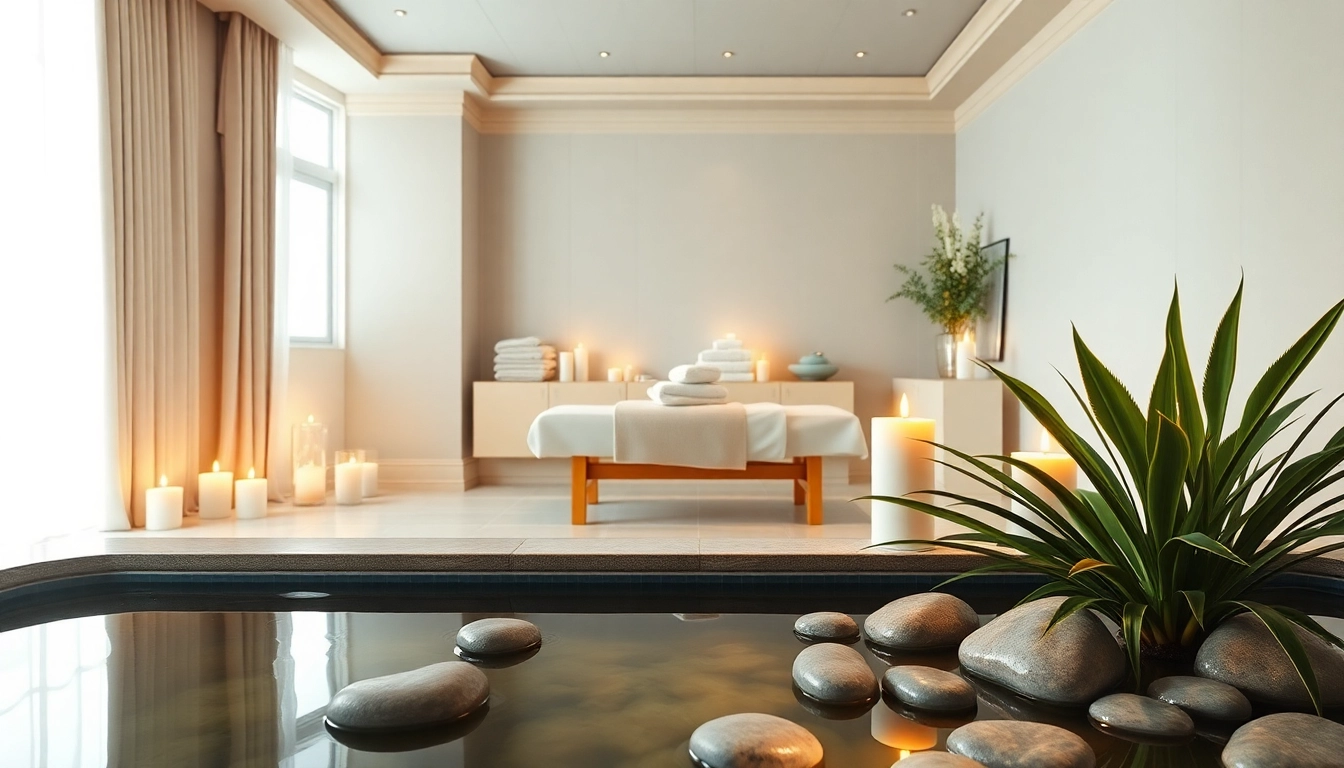
Visual aesthetics are a cornerstone of spa advertising, as they help create an inviting atmosphere before potential clients even step through the door. High-quality images and videos showcasing serene environments, luxurious treatments, and happy clients can evoke a sense of relaxation and trust. Professionals recommend using imagery that aligns with the spa’s branding, emphasizing elements such as tranquility, elegance, and personal care. Examples include:
- Before-and-after galleries to exhibit the effectiveness of treatments.
- Images of experienced therapists engaging with clients, which humanizes the services.
- Visual storytelling elements that highlight unique features of the spa environment.
How Spa Ads Influence Client Perceptions
The messaging and presentation of spa ads play a significant role in shaping client expectations. A clear, concise, and emotionally resonant message can draw potential clients in. Ads should focus on the benefits rather than just the features of treatments, addressing potential pain points such as stress relief, rejuvenation, or luxury escapism. Additionally, utilizing client testimonials and case studies can significantly enhance credibility and foster trust.
Measuring the Effectiveness of Spa Advertisements
To assess the impact of spa advertising, businesses must employ various metrics. Key performance indicators (KPIs) may include:
- Click-through rates (CTR) on online ads.
- Conversion rates from inquiries to bookings.
- Engagement rates on social media platforms.
Regular analysis of these metrics allows spas to adjust their advertising strategies to optimize performance.
Creating Compelling Spa Ads Content
Key Messaging Techniques for Spa Promotions
To craft effective spa advertisements, businesses should focus on creating messaging that is both compelling and authentic. Key techniques include:
- Utilizing emotional triggers in advertisements, such as invoking feelings of relaxation and self-care.
- Highlighting unique selling propositions (USPs) that distinguish the spa from competitors.
- Incorporating limited-time offers or discounts to create urgency.
Best Practices for Visual Elements in Spa Ads
Visual elements must align with the spa’s overall branding while resonating with the target audience. Best practices include:
- Using high-resolution images that reflect the quality and atmosphere of the spa.
- Maintaining consistency in color schemes and typography across all advertising channels.
- Including calls-to-action (CTAs) that prompt potential clients to take the next step, such as booking an appointment.
Incorporating Client Testimonials in Spa Advertising
Client testimonials serve as powerful endorsements for spas. By showcasing real stories of customer satisfaction, spas can significantly bolster their credibility and appeal. Testimonials can be integrated into ads through:
- Videos featuring satisfied clients sharing their experiences.
- Quotes and reviews highlighted in print and digital ads.
- Before-and-after images accompanied by client stories that underscore positive transformations.
Targeting the Right Audience with Spa Ads
Identifying Your Spa’s Ideal Client Demographics
Effective spa advertising begins with a deep understanding of the target audience. By analyzing demographics such as age, gender, income level, and lifestyle preferences, spas can tailor their marketing campaigns to resonate with potential clients. For instance, younger clients may be drawn to trendy treatments promoted via social media, while older clients may prefer more traditional advertising methods.
Local Marketing Strategies for Spa Advertisements
Adopting local marketing strategies can enhance the effectiveness of spa advertising. This includes:
- Partnering with local businesses to offer joint promotions.
- Utilizing local SEO tactics to ensure spa ads appear in local search results.
- Engaging with community events to increase visibility and awareness.
Utilizing Social Media to Reach Potential Spa Clients
Social media platforms offer unique opportunities for spas to connect with their audience. Strategies include:
- Creating visually appealing content such as videos and infographics that highlight services.
- Running targeted ad campaigns on platforms like Facebook and Instagram.
- Engaging with followers through comments, direct messages, and user-generated content.
Innovative Strategies for Spa Ads in 2025
Trends Shaping the Future of Spa Advertising
As we move towards 2025, several trends are expected to shape the landscape of spa advertising:
- A greater emphasis on sustainability and eco-friendly practices, appealing to environmentally conscious consumers.
- The integration of technology in ads, such as augmented reality (AR) to allow clients to visualize treatments.
- Personalized advertising that targets individual preferences based on data analytics.
Leveraging Video Content for Spa Promotions
Video content is becoming increasingly important in spa advertising. Engaging videos can effectively showcase treatments, client experiences, and the spa environment. Considerations for using video include:
- Creating tutorial videos that demonstrate specific treatments.
- Sharing client success stories in a visual format.
- Utilizing live streams to engage potential clients in real time.
Integrating Personalization in Spa Ads
Personalization is key to effective spa advertising in the digital age. This can be achieved through:
- Segmenting the audience based on previous bookings or interests to tailor messages.
- Utilizing data analytics to present customized offers and recommendations.
- Implementing retargeting strategies that remind potential clients of past interactions with the spa.
Measuring Success in Spa Advertising Campaigns
Key Performance Indicators for Spa Ads
Establishing KPIs is essential for tracking the success of spa advertising campaigns. Common KPIs may include:
- Customer acquisition cost (CAC) to assess how much is spent to gain each new client.
- Return on investment (ROI) to evaluate the financial gains from advertising efforts.
- Customer lifetime value (CLV) to determine the long-term value of a client.
Analyzing ROI from Spa Advertising Strategies
Analyzing ROI helps spas understand the effectiveness of their advertising strategies. This process involves:
- Calculating total revenue generated from each ad campaign.
- Comparing this revenue against the costs incurred in running the ads.
- Adjusting future advertising plans based on performance analysis.
Adapting to Feedback and Improving Spa Ads
Gathering and responding to client feedback can lead to continuous improvement in spa advertising strategies. Spas should consider:
- Soliciting feedback through surveys and social media polls.
- Analyzing comments and reviews to identify common themes and areas for improvement.
- Implementing changes based on client insights to stay relevant and appealing.
About the Author