The Importance of Computer Recycling Bracknell
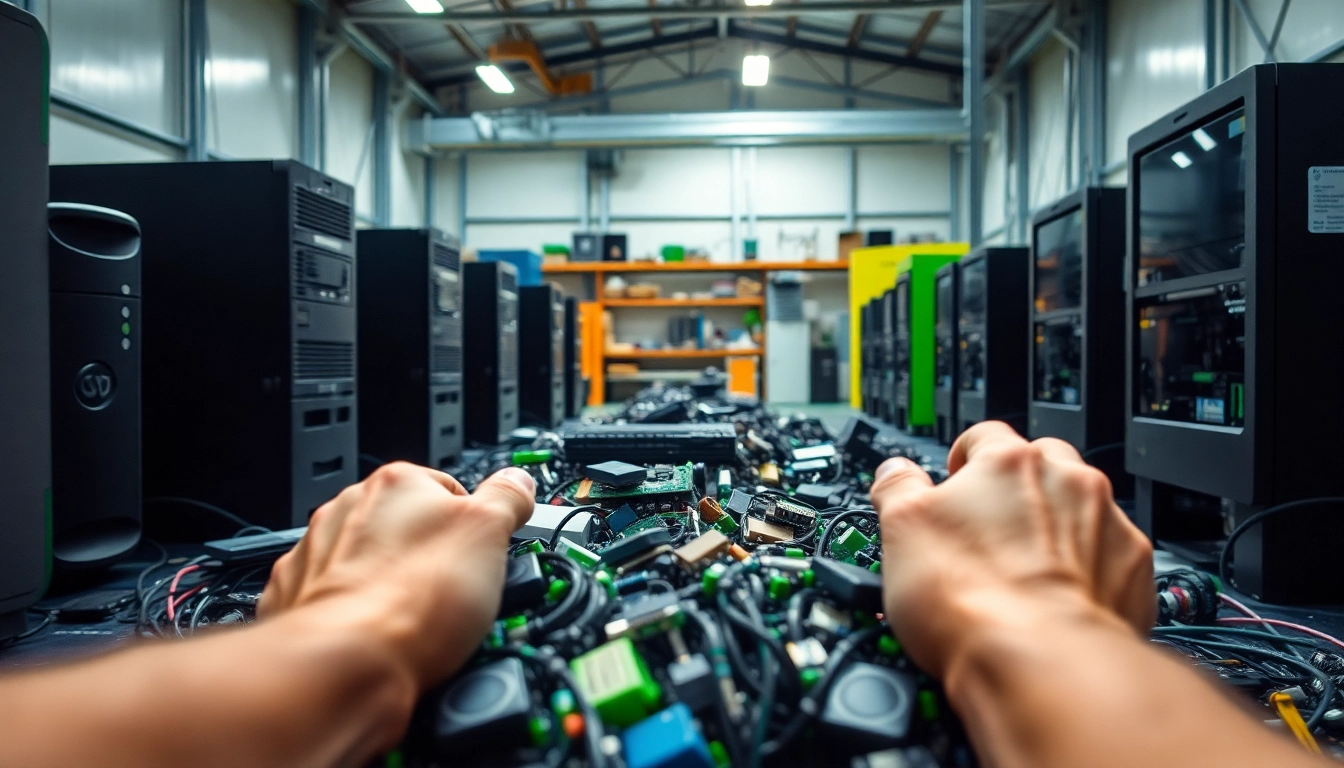
As technology rapidly evolves, the rate at which we upgrade our computers and electronic devices has increased. This phenomenon leads to an ever-growing problem: electronic waste, or e-waste. Understanding the computer recycling Bracknell ecosystem is crucial for mitigating environmental damage, maximizing economic benefits, and fostering community responsibility.
Environmental Impact of E-Waste
E-waste comprises discarded electronic appliances such as computers, monitors, and peripherals. If improperly disposed of, these items can leach hazardous materials, including lead, mercury, and cadmium, into the soil and waterways. In Bracknell, recycling computers means preventing these toxic substances from contaminating our environment. By recycling, essential materials can be extracted and reused, reducing the need for mining new raw materials, ultimately lessening the ecological footprint.
Moreover, the World Health Organization has noted that proper e-waste management can prevent serious health risks associated with exposure to harmful substances. Broken electronics in landfills can lead to significant health issues in communities. Therefore, promoting a culture of recycling protects not just our environment but our health as well.
Economic Advantages of Recycling
Recycling computer devices not only benefits the environment but also offers several economic advantages. Firstly, recycling systems create jobs within the local economy, from collection to processing and manufacturing new products from recycled materials. According to various studies, recycling generates more jobs per ton of waste than landfilling or incineration. This means that as more residents of Bracknell embrace electronic recycling, they contribute to local employment opportunities.
Moreover, recycling reduces costs associated with waste disposal. Landfilling is costly for municipalities, from land usage to waste management in the long term. By investing in computer recycling programs, local authorities can manage waste more effectively and redirect resources to other community projects.
Community Engagement and Responsibility
Engaging in computer recycling fosters a sense of responsibility among residents. As individuals become aware of their ecological footprint, they are more likely to participate in community initiatives, like local recycling events or educational programs about the importance of e-waste recycling. In Bracknell, local schools and organizations increasingly collaborate to promote better recycling habits.
Community responsibility also manifests through partnerships with businesses. Initiatives that emphasize recycling highlight the role of local enterprises in reducing waste, showcasing the collective approach required to tackle the e-waste problem. Educational outreach can elevate public awareness, ensuring everyone understands their role in promoting a sustainable future.
How to Recycle Computers Effectively in Bracknell
Identifying Recyclable Materials
Before recycling, it is essential to identify which parts of a computer are recyclable. Standard components include the main unit, monitor, keyboard, mouse, and any peripherals. Many parts are made from metals such as steel, aluminum, and copper, as well as plastics that can be processed into new products. Recognizing recyclable components allows for proper handling and maximizes recovery rates.
Additionally, certain items, like batteries and circuit boards, can contain hazardous materials. It is essential to disclose such information to recycling facilities so they can manage their processing adequately and mitigate environmental risks.
Safe Disposal Methods
Safe disposal methods for computers involve several steps to ensure both environmental responsibility and data security. Residents should start by erasing sensitive data from all devices. Options include factory reset functions for most devices or employing specialized software to wipe data permanently. Once safely disposed of, the hardware can proceed to recycling facilities that follow environmentally sound practices.
Additionally, consider options for donating or refurbishing usable devices. Many organizations will accept working computers, extending their life rather than contributing to waste. This method not only recycles but also supports those in need.
Finding Local Recycling Centers
Bracknell features numerous local recycling centers dedicated to electronics disposal. Researching these facilities can yield pertinent information about respective recycling policies, accepted materials, and specific drop-off locations. Many centers also host periodic recycling events, encouraging community participation and seasonal cleaning initiatives.
Using online resources or local municipality websites can help residents locate the nearest recycling hubs. Local businesses may also offer dedicated drop-off points for electronics, further streamlining the process.
Best Practices for Computer Disposal
Preparing Electronics for Recycling
Preparation is vital to ensure effective recycling. For computer disposal, residents should begin by backing up essential data before removing any drives. Following this, devices should be cleaned of personal information and disposed of without any lingering sensitive materials. This step not only protects individuals’ privacy but also prepares the electronics for optimal recycling.
Additionally, removing batteries and other hazardous components is critical. Such items should be taken to designated recycling locations, preventing potential environmental harm through improper disposal.
Data Security Concerns
Data security is a paramount concern when disposing of old computers. Many individuals are unaware of the risks posed by lingering personal data, which may lead to identity theft or data breaches. It’s crucial to utilize data destruction techniques, which include using software to wipe drives or physically destroying them.
Professional services specializing in secure data disposal offer peace of mind and ensure compliance with regulations. Opting for certified e-waste recyclers can safeguard sensitive personal information, reducing the chances of exposure.
Legal Regulations in Bracknell
Recycling electronics often comes with a set of legal regulations to ensure compliance with environmental standards. In Bracknell, the Waste Electrical and Electronic Equipment (WEEE) Directive mandates how e-waste should be correctly processed. Understanding these legalities is essential for both residents and businesses to prevent penalties and promote lawful recycling practices.
Additionally, organizations must remain vigilant regarding compliance with local, national, and international laws. Regular training and updates on regulations can foster adherence while enabling the community to stay informed about best practices.
Innovations in Computer Recycling
Advancements in E-Waste Processing
As technology develops, so does the efficiency of e-waste processing. Recent advancements include robotic systems designed to disassemble electronics more efficiently than manual labor. These robots can identify materials and separate them without human intervention, maximizing recycling rates and minimizing damage to recyclable components.
Moreover, chemical processes enable the extraction of valuable metals from e-waste, further promoting responsible material recovery. Innovations like these signal a more sustainable approach to managing e-waste while addressing the global demand for recycled materials.
Recycling Technologies to Watch
Several emerging technologies hold promise for enhancing the recycling process further. Automated sorting systems deploy artificial intelligence and machine learning to identify recyclable materials with precision. This increase in accuracy translates into higher recovery rates for precious and rare metals.
On a broader scale, communities can look to innovations such as urban mining, which involves recovering valuable materials directly from the environment, making recycling efforts far more localized and sustainable than ever before.
Thought Leaders in the Recycling Space
Numerous thought leaders are reshaping the conversation around recycling practices. Their research and frameworks help rewrite best practices suited for our digital age. By keeping abreast of expert opinions and insights, communities in Bracknell can invest in improving local recycling efforts, ensuring that they remain at the forefront of e-waste management.
Joining forums, webinars, and conferences on e-waste enables knowledge sharing and inspires local initiatives that align with global objectives for sustainable resource management.
Frequently Asked Questions about Computer Recycling Bracknell
What materials can be recycled?
Most computer components, including metal casings, circuit boards, and plastics, can be recycled. Additionally, monitors, keyboards, and printers are also recyclable, provided they are processed by certified facilities.
How to securely wipe personal data?
Use software specifically designed for data destruction or physically destroy hard drives and memory storage devices. Ensuring data is irretrievable safeguards against unauthorized access.
Are there any fees for recycling?
Most local recycling centers offer free drop-off services for electronic waste. However, some specialized services may charge for particular items, especially if they involve hazardous materials.
Where can I drop off my old computer?
Residents can drop off their old computers at designated recycling centers, which can be found on local municipality websites or through community boards outlining specific drop-off locations and times.
How does recycling support local jobs?
Recycling programs generate job opportunities in collection, sorting, processing, and refurbishing electronic devices. Every effort to recycle effectively contributes to economic growth within the community.