Understanding Water Leak Detection
Water leak detection is an essential process for homeowners and property managers alike, particularly as the consequences of undetected leaks can lead to significant financial loss and property damage. Leaks can occur in various parts of buildings, affecting everything from walls and ceilings to utility bills. By employing advanced techniques and technologies, professionals in the field, such as those at The Leak Hunter, ensure that leaks are identified quickly and efficiently. When exploring options, water leak detection services can provide comprehensive insights into safeguarding your home.
What is Water Leak Detection?
Water leak detection refers to the process of locating and diagnosing leaks in various systems, including plumbing, drainage, and heating systems. This task is crucial for maintaining property integrity and reducing the risk of water damage. Experts use a combination of state-of-the-art technologies and traditional methods to pinpoint leaks with high accuracy.
The Importance of Early Leak Detection
Detecting leaks early is crucial as it helps mitigate potential damage. Water leaks can lead to serious issues such as mold growth, structural damage, and increased utility costs. Early detection allows homeowners to address plumbing issues before they escalate into major repairs.
Common Types of Water Leaks
- Pipe Leaks: Often occur due to aging pipes or poor installation.
- Slab Leaks: Found beneath the foundation, these can be difficult to detect without specialized equipment.
- Roof Leaks: Typically arise from damaged shingles or flashing.
- Water Heater Leaks: Can be caused by corrosion or faulty connections.
- Appliance Leaks: Often found around washing machines or refrigerators where water lines are connected.
Advanced Techniques for Water Leak Detection
With the development of innovative technologies, water leak detection has become more efficient and less invasive. Professional services utilize several sophisticated methods that allow for accurate identification of leaks without causing damage to property.
Utilizing Thermal Imaging Technology
Thermal imaging cameras are used to detect temperature differences in building materials, which can indicate the presence of moisture from a leak. These cameras allow technicians to visualize areas of concern without any invasive actions.
Pressure Testing Methods Explained
Pressure testing is another method where pressure changes in the plumbing system are monitored. By isolating sections of pipes and evaluating pressure drops, professionals can accurately determine the location of leaks.
Acoustic Listening Devices: How They Work
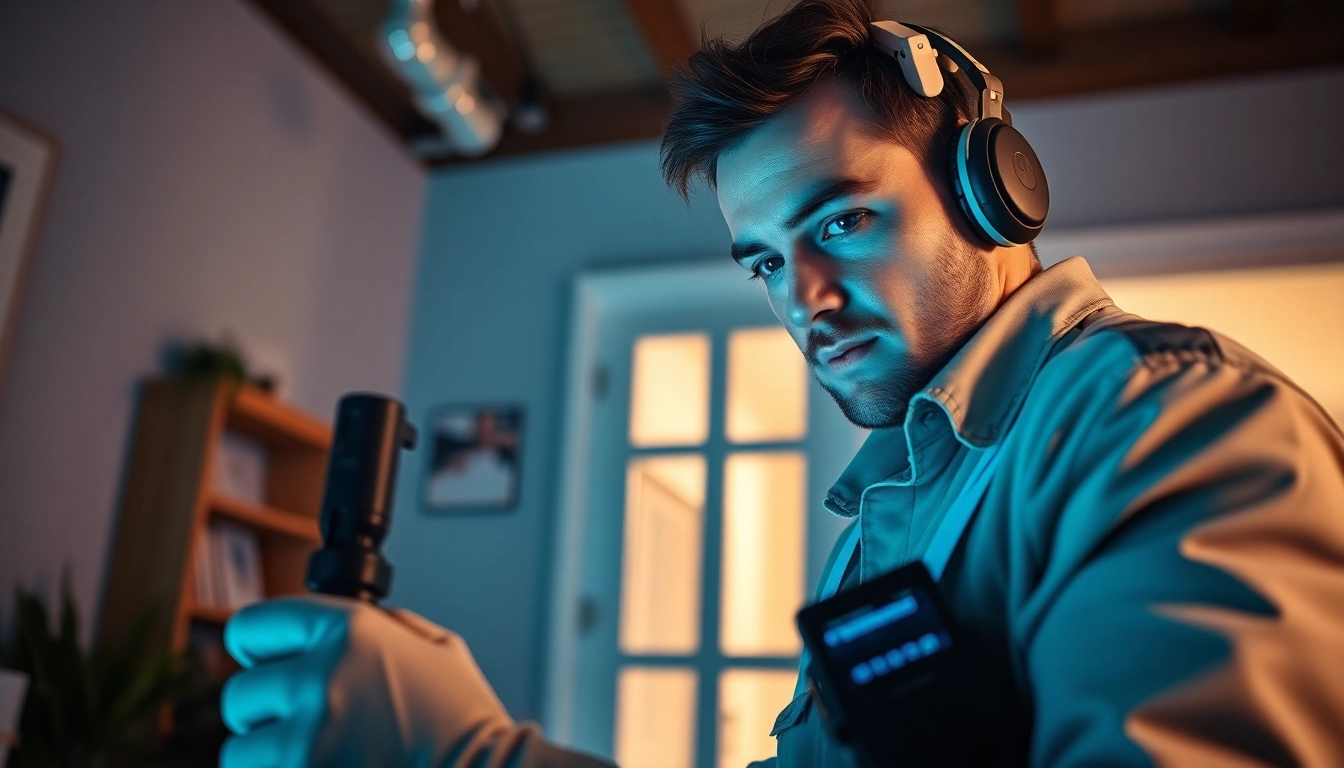
Acoustic listening devices are essential tools in leak detection. They work by amplifying the sound of water escaping through pipes, enabling technicians to locate leaks even when they are buried underground or hidden behind walls.
Identifying Signs of Water Leaks in Your Home
Homeowners should be vigilant in recognizing signs of water leaks. Early detection can save time, money, and prevent extensive damage.
Visual Indicators: What to Look For
- Water stains on ceilings or walls.
- Damp spots on carpets or flooring.
- Peeling paint or wallpaper.
- Mold growth in areas prone to moisture.
Auditory Cues: Sounds Indicating Leaks
Listening for sounds of dripping or running water when all appliances are turned off can be a strong indication of a leak. Gurgling sounds in pipes can also signify issues within the plumbing system.
The Role of Utility Bills in Leak Detection
Unexpected increases in water bills can signal hidden leaks. If water usage spikes without a corresponding increase in usage, it’s time to investigate for potential leaks within your property.
Choosing the Right Water Leak Detection Service
Selecting a qualified leak detection service is crucial to ensuring the problem is addressed efficiently and effectively. Not all services are created equal, so here are some tips for choosing the right one.
Qualities to Look for in a Leak Detection Specialist
- Experience: Look for companies with a proven track record in leak detection.
- Technology: Ensure they use modern, non-invasive methods…
- Certifications: Verify that technicians are certified and trained in leak detection practices.
- Customer Reviews: Check testimonials and reviews to gauge customer satisfaction.
Comparing Costs: DIY vs. Professional Services
While DIY leak detection methods can offer some initial insights, they often lack the precision of professional services. Investing in expert help can save you money in the long run by preventing damage and ensuring thorough repairs.
Understanding No Find, No Fee Guarantees
Many leak detection companies offer a “no find, no fee” guarantee, meaning you only pay if they locate a leak. This model provides peace of mind and reduces the risk of unexpected costs.
Future Trends in Water Leak Detection
The water leak detection industry is evolving rapidly, with new technologies and methods emerging that promise even greater efficacy and efficiency in pinpointing leaks.
Emerging Technologies in Leak Detection
Innovations such as advanced acoustic sensors and artificial intelligence are reshaping the capabilities of leak detection. These technologies will enhance the accuracy of identifying even the smallest leaks.
Smart Home Integration for Leak Monitoring
As smart home devices become more prevalent, integration with leak detection systems is becoming common. Homeowners are increasingly opting for systems that provide real-time alerts via smart devices when leaks are detected.
Predictions for the Water Leak Detection Industry in 2025
By 2025, the expectation is that water leak detection will be heavily reliant on automation and smart technology, allowing for remote monitoring and quicker response times, potentially making the process even more efficient and user-friendly.