Understanding Plumbing Leak Detection
What is Plumbing Leak Detection?
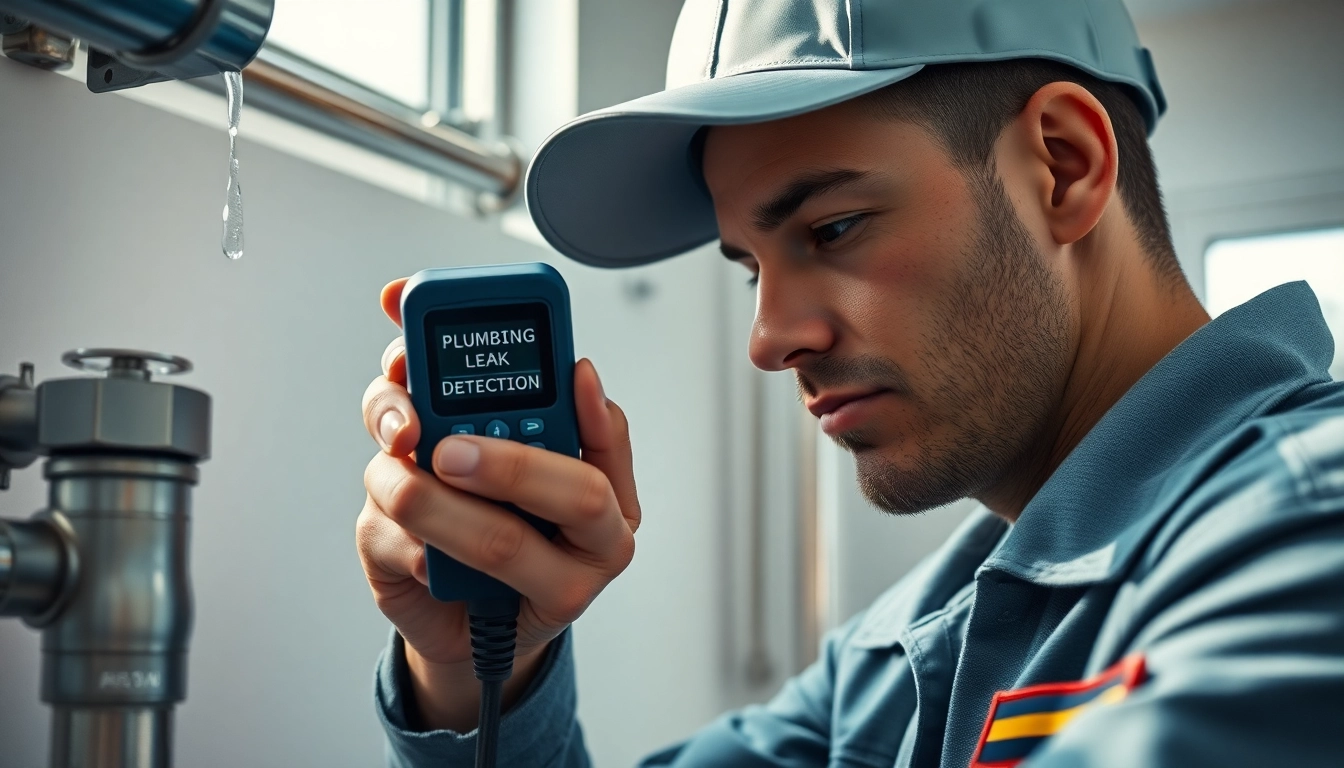
Plumbing leak detection is the process of identifying leaks in plumbing systems before they escalate into more significant issues, such as structural damage or mold growth. This involves various methods and technologies designed to locate leaks that are often hidden from plain sight, including water lines, sewer lines, and even within walls or beneath floors. The importance of effective plumbing leak detection cannot be overstated, as undetected leaks can lead to costly repairs and extensive damage over time. For comprehensive insights and services on Plumbing Leak Detection, understanding its processes is essential.
Importance of Early Leak Detection
Early leak detection plays a critical role in home maintenance and can prevent significant financial burdens. Leaks that are left undetected can cause water damage that deteriorates the structural integrity of a home, leads to mold and mildew growth, and can even jeopardize health. Moreover, early detection helps conserve water, reducing utility bills and promoting environmental sustainability. Being proactive with leak detection not only saves money but also creates a safer living environment.
Common Signs of Plumbing Leaks
There are various signs homeowners can observe to identify potential plumbing leaks. Recognizing these signs early is vital for prompt action:
- Increased Water Bills: A sudden spike in water bills without an increase in usage could indicate a hidden leak.
- Water Stains: Discoloration or water stains on walls, ceilings, or floors can signal leaks behind walls or under floors.
- Mold and Mildew: The presence of mold—especially in areas that are usually dry—is a common indicator of moisture from a leak.
- The Sound of Running Water: If you hear water running when no taps are turned on, this could point to a leak.
- Wet Spots on the Floor: Puddles or damp areas on floors can result from leaks in pipes or fixtures.
Techniques for Effective Plumbing Leak Detection
Visual Inspections
One of the simplest methods for leak detection involves visual inspections. Homeowners can routinely check accessible areas for signs of moisture or water damage. This includes checking under sinks, around toilets, and in basements or crawl spaces. Regular checks can help catch leaks early, especially in high-risk areas such as near appliances and plumbing fixtures.
Acoustic Detection Methods
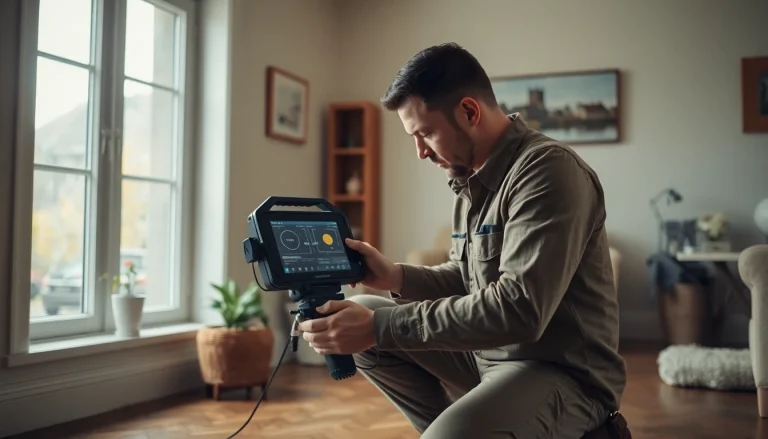
Acoustic leak detection is a sophisticated technique that utilizes sound waves to locate leaks within pipes. Professionals use specialized microphones or listening devices to detect the sound of water escaping from pipes. This method is particularly effective for underground and hidden leaks, as even small leaks can create a distinct acoustic signature. Trained technicians can pinpoint the exact location of a leak with high precision, reducing the need for invasive investigations.
Thermal Imaging Technology
Thermal imaging technology utilizes infrared cameras to detect temperature variations caused by leaks. Water escaping from pipes can cool the surrounding area, leading to temperature changes that are visible through thermal imaging. This non-invasive method allows for quick identification of potential leak areas, particularly behind walls or under floors, without requiring destructive testing. It’s a highly effective method for comprehensive leak detection in both residential and commercial properties.
DIY Solutions for Plumbing Leak Detection
Basic Tools and Kits for Homeowners
Homeowners can employ several tools and kits to detect plumbing leaks without needing professional assistance. These include:
- Water Meter Test: Turn off all water fixtures and check the water meter to see if it continues to run, indicating a leak.
- Dye Tablets: Use food coloring or dye tablets in toilet tanks to see if they leak into the bowl.
- Moisture Meters: These can detect moisture levels in various building materials, helping to identify leaks within walls.
Step-by-Step Guide to Detecting Your Own Leaks
If you suspect a leak in your home, follow this simple guide:
- Turn off all water-using appliances and fixtures.
- Check your water meter to see if it’s still moving. If it is, there’s likely a leak.
- Inspect visible plumbing, including under sinks and around toilets, for any signs of moisture.
- Conduct a dye test in toilets to check for leaks.
- Measure moisture levels in suspicious areas with a moisture meter.
When to Call a Professional
While DIY methods can be effective, certain signs or situations warrant professional help. If leaks are beyond your capacity to locate or repair, or if you notice significant damage, it’s time to contact a leak detection specialist. Additionally, if your water bills consistently remain high, or if multiple leaks are suspected, a professional can provide a comprehensive assessment and utilize advanced techniques to identify hidden problems.
Advanced Plumbing Leak Detection Methods
Using Smart Technology for Leak Alerts
With the advent of smart home technology, homeowners now have access to sophisticated leak detection systems that can alert you to problems in real-time. These systems use sensors placed at critical points in the plumbing system, sending notifications to your smartphone if a leak is detected. Some models can even shut off the water supply automatically, preventing damage before it occurs. Investing in such technology can provide peace of mind and make leak detection proactive rather than reactive.
Benefits of Non-Invasive Leak Detection
Non-invasive leak detection methods, such as thermal imaging or acoustic detection, offer several advantages:
- Minimized Damage: These techniques allow for quick identification of leaks without tearing down walls or floors.
- Cost-Effective: Non-invasive methods can save on repair costs by avoiding unnecessary damage to the property.
- Faster Results: Technologies such as thermal cameras can quickly locate leaks, reducing downtime for repairs.
Cost Analysis of Advanced Detection Techniques
While advanced leak detection technologies may have an upfront cost, the long-term savings are significant. By preventing water damage, reducing repairs, and conserving water, smart technology and non-invasive detection methods can save homeowners considerable amounts over time. A cost-benefit analysis often shows that investing in these technologies pays off within a few years through lower repair and water costs.
Preventive Measures After Plumbing Leak Detection
Repairing the Damage: Timelines and Costs
Once a leak is detected, timely repairs are crucial to minimizing damage. The timeline for repairs varies based on the severity of the leak and the extent of the damage. Simple leaks can often be fixed within hours, while more complicated issues may take days. Repair costs can range widely; homeowners should prioritize getting multiple estimates from professionals to ensure fair pricing. Addressing visible damages quickly can prevent larger issues from developing.
Implementing Preventative Maintenance
After addressing leaks, implementing a preventative maintenance schedule can help ensure that similar issues do not arise in the future. Routine checks of plumbing fixtures, regular inspections of the water heater, and maintaining clear gutters can significantly reduce the risk of leaks. Furthermore, ensuring proper insulation of pipes and monitoring water pressure can help sustain the integrity of plumbing systems.
Long-term Solutions to Avoid Future Leaks
To effectively prevent leaks in the long run, homeowners should consider the following strategies:
- Upgrade Old Plumbing: Replacing aging pipes and fixtures with modern, durable materials can minimize the risk of leaks.
- Regular Professional Inspections: Schedule annual or bi-annual professional inspections to monitor plumbing health.
- Water Quality Management: Addressing hard water issues can prevent corrosion that leads to leaks over time.
About the Author