Understanding Leak Detection Cornwall
Leak detection is an essential service that safeguards properties from the damaging impacts of hidden and persistent leaks. In Cornwall, a region known for its unique landscape and architecture, the need for expert leak detection services is paramount. Homeowners and businesses alike can incur significant costs and inconveniences due to undetected water leaks. This article will explore the intricacies of leak detection, its importance, and how residents can effectively manage potential issues. For those looking for professional assistance, Leak Detection Cornwall provides comprehensive services tailored to your needs.
What is Leak Detection?
Leak detection encompasses a variety of techniques and technologies employed to locate and diagnose water leaks within different environments, including residential, commercial, and industrial properties. The process often involves various methods, including visual inspections, sound detection, and advanced electronic devices. Effective leak detection can prevent extensive property damage, mold growth, and increased utility bills. Moreover, it enables property owners to take timely action, thus reducing the chances of costly repairs and the disruption of daily activities.
Importance of Leak Detection Cornwall
In Cornwall, the coastal climate and the age of many properties contribute to unique challenges concerning leak management. Regular leak detection is vital in preserving the structural integrity of homes and businesses, protecting valuable assets, and ensuring the safety of inhabitants. Early leak detection can lead to proactive measures that mitigate further damage, prolong the lifespan of plumbing systems, and enhance water conservation efforts. Moreover, understanding the importance of regular leak inspection can lead to significant cost savings in the long run.
Common Types of Water Leaks
Water leaks can manifest in various forms, each presenting distinct challenges. Common types include:
- Pipe leaks: Corroded or damaged pipes can lead to leaks within walls or beneath floors.
- Slab leaks: These occur when hot or cold water lines beneath the foundation develop leaks, often causing significant water damage.
- Roof leaks: Damaged roofing materials or flashing can lead to water infiltration, particularly during heavy rains.
- Appliance leaks: Washing machines, dishwashers, and HVAC units may develop leaks, potentially damaging nearby structures.
Signs of Water Leaks in Your Property
Visual Indicators of Leaks
Identifying visible signs of leaks is the first step in managing potential issues. Look for:
- Water stains: Discoloration on walls or ceilings can indicate a leak behind the surface.
- Wet carpets or flooring: Persistent dampness in certain areas may suggest an underlying leak.
- Mold growth: Mold or mildew around areas with excess moisture may point to a leak.
Listening for Unusual Sounds
Sometimes, the sounds associated with leaks can reveal their presence. Homeowners should be aware of the following:
- Running water: The sound of water running when no appliances are in use could indicate a leak.
- Distant dripping: Continuous dripping sounds could signify a hidden leak somewhere in the system.
Technological Tools for Leak Detection Cornwall
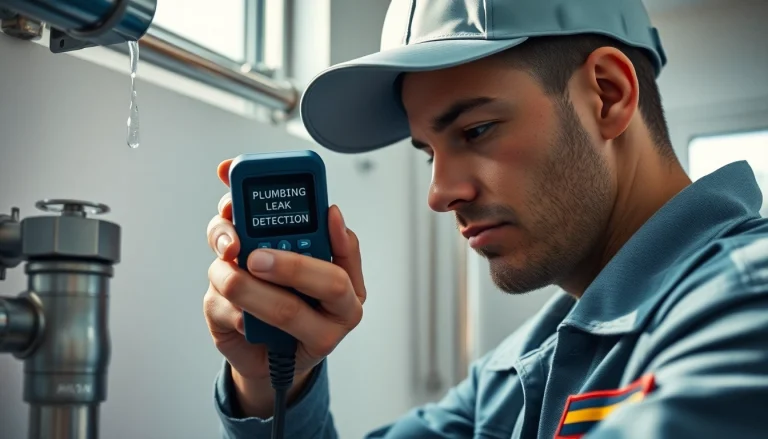
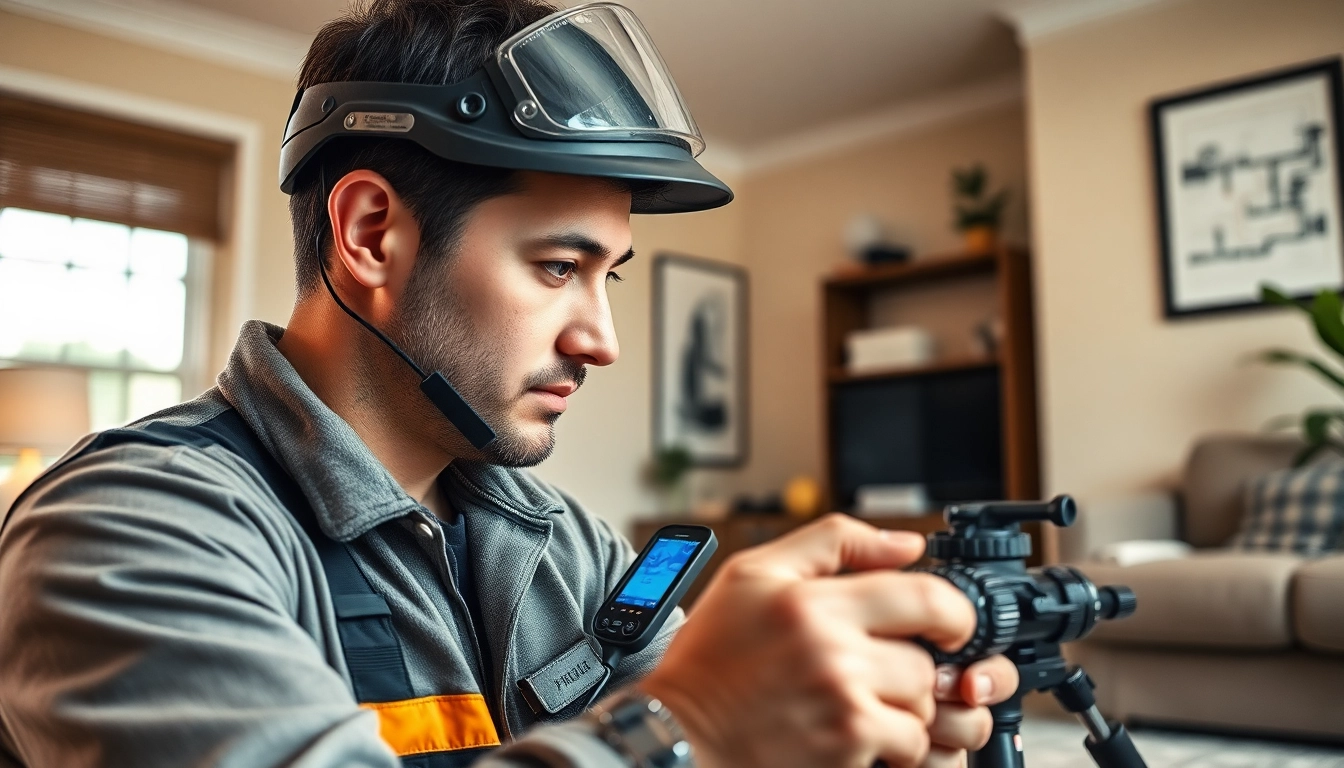
Modern technology has revolutionized leak detection. Tools such as acoustic sensors, infrared cameras, and moisture meters assist professionals in pinpointing leaks quickly and accurately. These advanced methods reduce the likelihood of invasive procedures and minimize disruption to property. Acoustic sensors, for example, can detect sound vibrations emitted by leaking pipes, while infrared cameras can visualize temperature differences that indicate moisture presence behind walls.
Preventing Water Leaks
Regular Maintenance Practices
Implementing a structured maintenance plan can significantly reduce the risk of water leaks. Regularly inspecting plumbing systems, checking water pressure, and ensuring that appliances are functioning correctly are crucial steps. It’s advisable to also monitor any changes in water bills, as a sudden increase may indicate a leak.
Installing Leak Detection Systems
More proactive property owners may consider installing state-of-the-art leak detection systems. These systems can provide real-time monitoring and alert homeowners to potential leaks, allowing for prompt action. Such installations can be particularly beneficial for high-value properties or businesses reliant on water sustainability.
Best Materials for Leak Prevention
Selecting high-quality plumbing materials can also prevent future leaks. Options such as PEX pipes are resistant to corrosion and temperature fluctuations and can significantly reduce leak risks compared to older materials. Ensuring that all materials installed meet local building codes and standards can further enhance leak prevention efforts.
Leak Detection Techniques and Technologies
Traditional vs. Modern Detection Methods
Traditional methods of leak detection heavily relied on visual inspections and rudimentary testing techniques, such as drying and observing materials. While these remain effective to some degree, advancements in technology have introduced modern techniques that are faster and less invasive. Methods such as dye testing, where a colored dye is introduced into the plumbing system, can help identify leaks efficiently.
Benefits of Non-Invasive Techniques
Non-invasive leak detection techniques, such as thermal imaging and acoustic detection, have numerous benefits, including:
- Minimized damage to property: Non-invasive techniques allow for leak identification without the need for extensive dismantling of walls or floors.
- Cost efficiency: By preventing needlessly extensive repairs, non-invasive techniques can save homeowners significant amounts in the long run.
- Faster diagnosis: Advanced technologies can identify leaks rapidly, enabling quicker resolution of issues.
How Technology is Changing Leak Detection Cornwall
As technology continues to evolve, it brings new solutions to leak detection challenges. Remote monitoring systems integrating IoT (Internet of Things) technology allow homeowners to maintain awareness of their plumbing’s status from anywhere. Additionally, the advent of machine learning is enabling predictive analytics, which can forecast potential problem areas before they manifest as leaks.
Responding to Water Leaks Effectively
Immediate Steps to Take
When a leak is identified, prompt action is critical. Homeowners should immediately:
- Turn off the water supply to mitigate further damage.
- Document the damage with photos for potential insurance claims.
- Remove any items that may be affected by water exposure to limit losses.
When to Call Professionals
While some minor leaks can be managed by homeowners, professional assistance becomes essential as the severity increases or when leaks are hard to locate. Signs that it’s time to call in experts include:
- If the leak persists despite initial repair attempts.
- If water damage is extensive and requires remediation.
- If the leak appears to be affecting foundational or structural aspects of the property.
Dealing with Insurance Claims
Managing a water leak often comes with the added complexity of dealing with insurance claims. Homeowners should be familiar with their coverage policies in relation to water damage, including what is and isn’t covered. Maintaining thorough documentation and communicating promptly with the insurance adjuster can help streamline the claims process. It’s crucial to understand the specifics of the policy to ensure the best possible outcome in recoverable costs.
About the Author