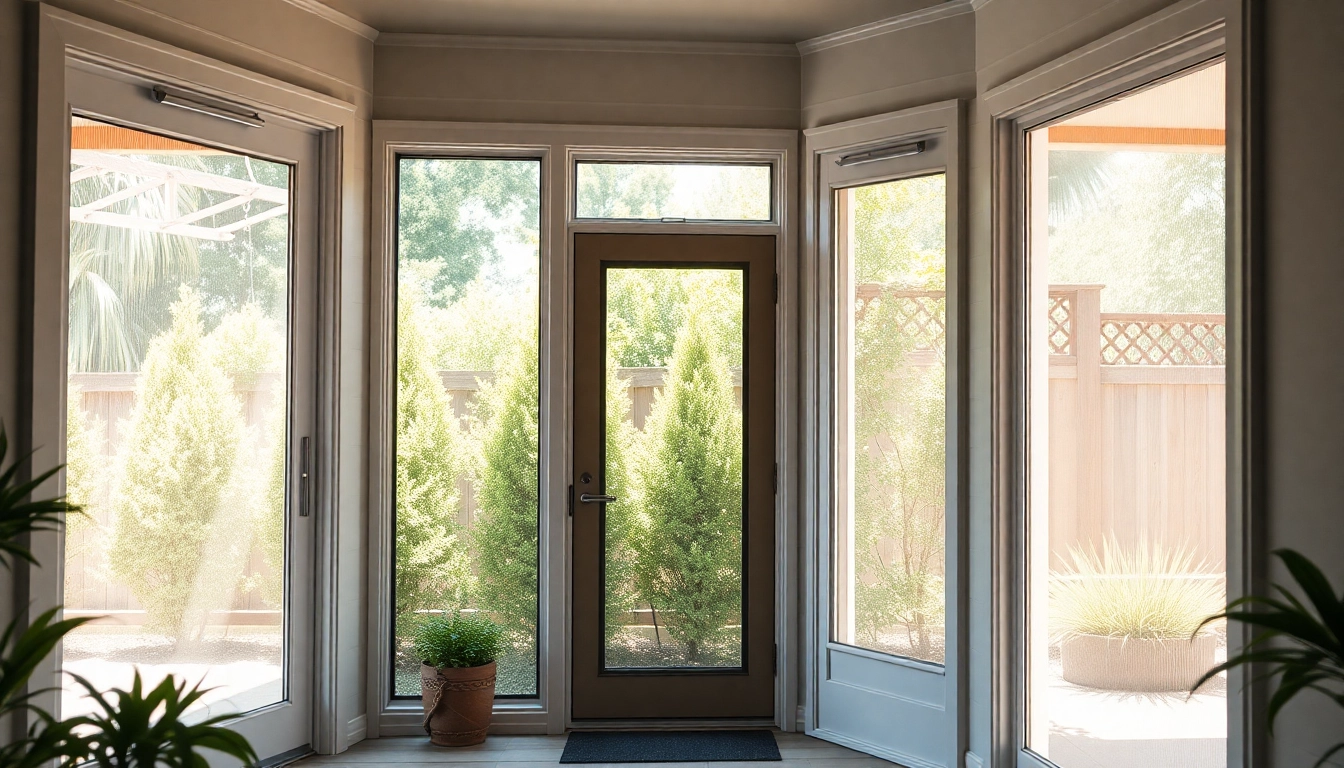
Understanding the Fly Screen Door
What is a Fly Screen Door?
A fly screen door consists of a mesh material that is designed to cover open doorways, preventing unwanted insects and pests from entering the home while allowing fresh air to flow inside. This innovative solution seamlessly blends functionality with practicality, making it an essential feature in many households, especially in warmer months when windows and doors are frequently opened.
Benefits of Installing a Fly Screen Door
There are numerous advantages to having a fly screen door installed in your home. Key benefits include:
- Pest Control: Fly screen doors are highly effective at keeping various pests, such as flies, mosquitoes, and bees, at bay.
- Enhanced Ventilation: They facilitate airflow while maintaining a barrier against insects, thereby improving indoor air quality.
- Energy Efficiency: By allowing fresh air to circulate, fly screen doors can help reduce the need for air conditioning, leading to lower energy bills.
- Pet-Friendly Options: Many designs cater to pets, enabling easy access for pets while keeping insects outside.
- Customization: Fly screen doors come in various styles, sizes, and colors to match your home’s aesthetics.
Types of Fly Screen Doors Available
There is a wide range of fly screen doors available, each catering to different needs and preferences:
- Magnetic Fly Screen Doors: These feature magnets that allow for automatic closure after passing through, which is especially useful for high-traffic areas.
- Retractable Fly Screen Doors: These can be pulled down when needed and retracted back into the frame when not in use, offering a discreet option.
- Pleated Fly Screen Doors: These use a pleating mechanism for storage when they are not in use, presenting a sleek look.
Choosing the Right Fly Screen Door for Your Home
Factors to Consider When Selecting a Fly Screen Door
Selecting the right fly screen door involves several considerations to ensure functionality and aesthetic appeal:
- Door Size: Measure your door frame accurately to ensure a perfect fit.
- Style and Aesthetic: Choose a design that complements your home, whether it is modern or traditional.
- Durability: Opt for materials that can withstand wear and tear while maintaining their appearance.
Custom vs. Standard Fly Screen Door Sizes
When choosing a fly screen door, size is a critical factor. Standard sizes are readily available and often cost-effective. However, custom fly screen doors are specifically designed to fit unique or non-standard door frames, ensuring a seamless look and maximum effectiveness against pests.
Material Options for Fly Screen Doors
Fly screen doors can be constructed from various materials, including:
- Fiberglass: Known for its durability and resistance to corrosion, fiberglass is lightweight and easy to handle.
- Aluminum: This material offers enhanced strength and longevity, making it suitable for outdoor use.
- Plastic: Often a budget-friendly option, plastic screens can be effective but may lack the longevity of metal or fiberglass.
Installing Your Fly Screen Door
Tools You Will Need for Installation
Before starting the installation process, ensure you have the following tools:
- Measuring tape
- Level
- Hand saw or utility knife
- Screwdriver
- Staple gun (if required)
- Group of screws and brackets (included often with the screen door)
Step-by-Step Guide to Installing a Fly Screen Door
Follow these instructions for a successful installation:
- Measure Your Door Frame: Ensure accurate measurements to base your purchase or custom creation.
- Cut the Screen Material: If you are working with raw materials, cut them according to your measurements.
- Install the Frame: Position the frame into the door opening and secure it according to the manufacturer’s instructions.
- Attach the Screen: Secure the screen using the brackets or adhesive strips provided.
- Test the Functionality: Open and close the door to ensure fluid motion and that the screen effectively seals the opening.
Common Installation Mistakes to Avoid
Several common mistakes can hinder the effectiveness of a fly screen door:
- Incorrect Measurements: Failing to measure accurately can lead to installation challenges.
- Poor Alignment: Ensure the door is level to avoid gaps that can allow pests to enter.
- Neglecting the Frame: Failing to properly secure the frame can lead to a lack of stability and effectiveness.
Maintaining Your Fly Screen Door
Regular Cleaning Tips for Longevity
Keep your fly screen door functioning optimally with regular maintenance:
- Dust and Debris: Use a soft brush or vacuum regularly to clean off any trapped debris.
- Wipe Down: Clean the mesh and frame with a damp cloth and mild soap to remove grime.
- Check for Tears: Inspect the screen for any wear or damage that could compromise effectiveness.
How to Repair Damaged Fly Screen Doors
Should you find damages, minor repairs can often be performed:
- Patching Holes: Use a small piece of matching screen material to patch small holes.
- Replacing Screens: For larger tears, you may need to replace the entire screen section.
Seasonal Maintenance for Optimal Performance
Perform thorough inspections at the beginning and end of each season to ensure your fly screen door is ready for the changing weather conditions.
FAQs About Fly Screen Doors
What is a fly screen door?
A fly screen door protects open doorways from insects while allowing fresh air to circulate within the home.
How do I install a fly screen door?
Installation involves measuring your door frame, cutting the screen to fit, and securing it with brackets or adhesive strips to ensure it closes properly.
What types of fly screen doors are available?
Common types include magnetic, retractable, and pleated options. Each serves different functional and aesthetic needs.
Are fly screen doors effective?
Yes, they effectively keep pests out while allowing airflow and natural light, significantly enhancing home comfort.
How often should I clean my fly screen door?
Biannual cleaning is recommended to maintain visibility and functionality while ensuring no debris accumulates on the screen.